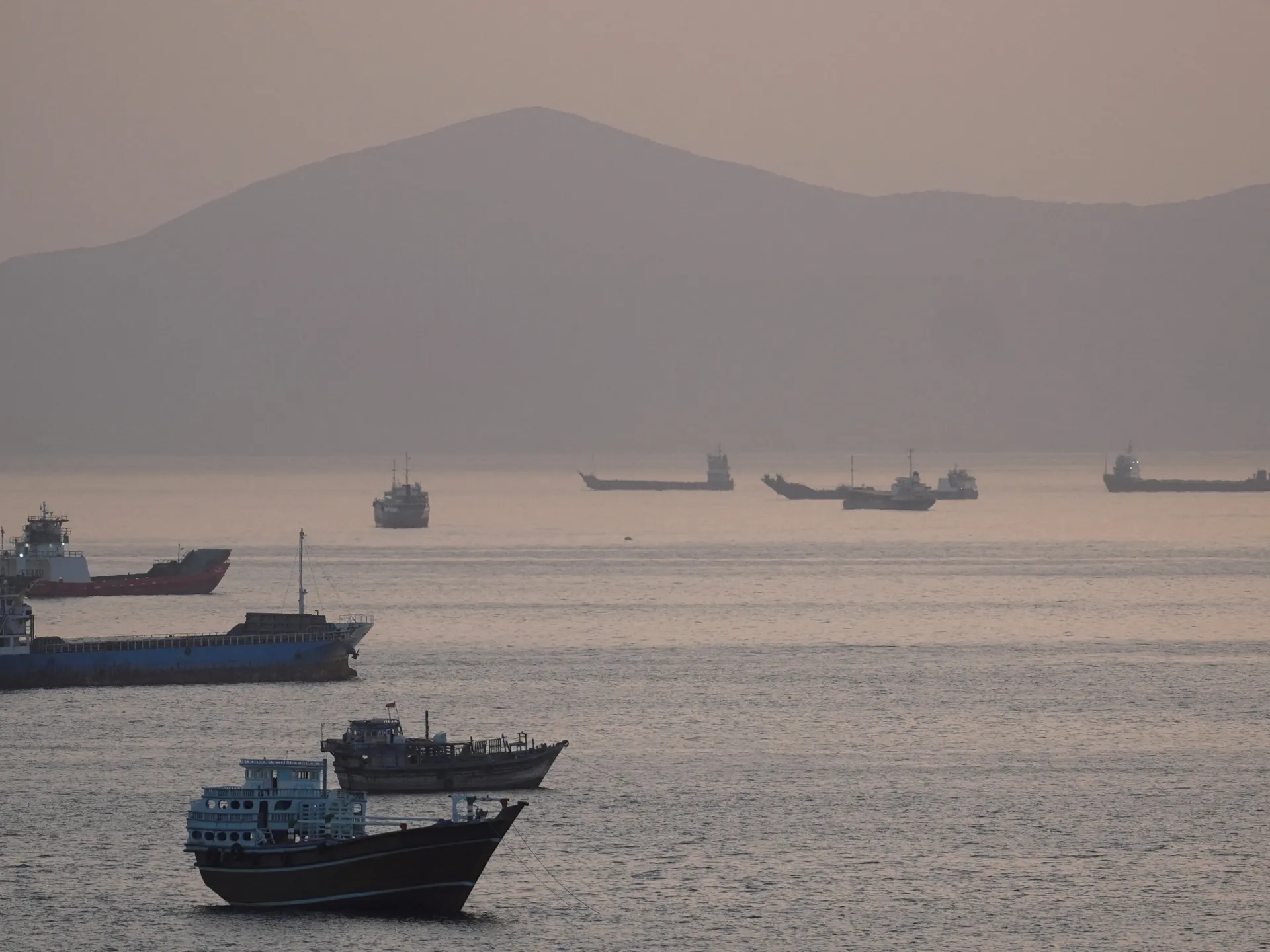
NEW DELHI: Global food and energy prices are witnessing a sharp rise as continued instability around the Strait of Hormuz fuels concerns over supply disruptions, inflationary pressures, and a potential slowdown in global trade.
International oil prices have crossed key thresholds amid heightened geopolitical tensions in the Gulf region, where military activity and uncertainty surrounding shipping routes have disrupted market sentiment. The Strait of Hormuz, one of the world’s most critical energy corridors, handles nearly 20% of global oil shipments, making any disruption a major concern for economies worldwide.
Analysts warn that rising crude prices are already impacting transportation, manufacturing, and logistics costs, with ripple effects being felt across food supply chains and essential commodities. Several countries are witnessing increases in fuel prices, shipping costs, and import expenses, raising fears of renewed inflationary pressure at a time when many economies are still recovering from previous global disruptions.
Global food markets have also reacted sharply as higher fuel and freight costs affect agricultural production, storage, and international trade. Economists caution that prolonged instability in the Gulf could lead to higher prices for grains, edible oils, fertilisers, and packaged consumer goods across multiple regions.
Financial markets remain volatile as investors closely monitor developments involving the United States, Iran, and regional maritime security. While reports of possible diplomatic engagement have offered temporary relief, uncertainty over the reopening and security of shipping lanes continues to weigh heavily on global energy and commodity markets.
Experts say sustained disruption in the Strait of Hormuz could have long-term implications for inflation, supply-chain resilience, and economic growth, particularly for energy-importing nations in Asia and Europe.