Across India’s industrial corridors and rural wind belts, towering turbines are quietly transforming how power is produced. But behind every rotating blade is a carefully managed infrastructure journey—one that blends engineering precision, construction discipline, and regulatory coordination.
Wind power projects are not plug-and-play systems. They demand strategic planning, specialized logistics, and seamless execution across multiple technical stages. This is where experienced wind energy contractors help translate renewable ambition into dependable, working assets.
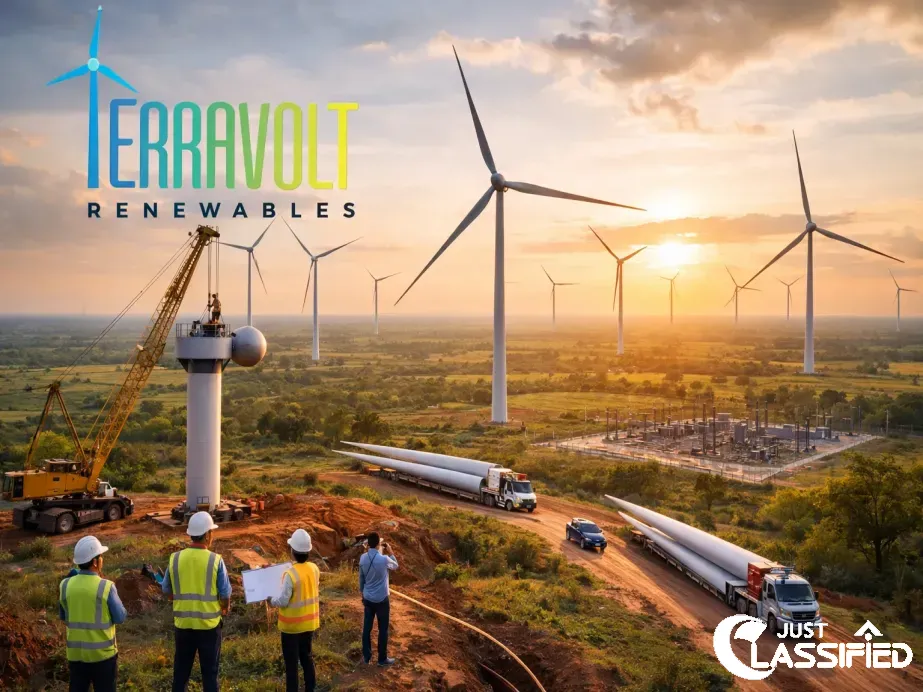
Installing a turbine is only one step in a much larger construction ecosystem. A wind site functions like a small power plant network, spread across open terrain and connected through underground and overhead systems.
Each project must account for:
Soil conditions and seasonal weather patterns
Transportation access for heavy components
Electrical routing over long distances
Local compliance and safety regulations
When these factors are aligned early, the project moves faster and performs better once operational.
Managing multiple vendors across design, construction, and commissioning can slow progress and increase coordination risks. That’s why many project owners prefer working with wind EPC contractors who deliver the entire scope under one responsibility framework.
A turnkey approach supports:
Faster decision-making on site
Fewer handover delays between teams
Better accountability for performance outcomes
Streamlined documentation and approvals
Instead of managing contracts, project owners can focus on energy generation goals.
No two wind sites are identical. Terrain, wind patterns, and soil profiles vary widely across India’s wind zones. Engineering must adapt to these realities rather than relying on standard templates.
Foundation structures matched to geotechnical data
Turbine layout that reduces wake interference
Drainage planning to protect long-term stability
Electrical design that minimizes transmission losses
These decisions, made early, shape performance for the next 20+ years.
Wind construction involves lifting massive components to great heights while coordinating multiple trades in tight schedules. Without strict safety systems, delays and damage risks increase significantly.
Daily safety briefings and hazard controls
Certified crane operations and lifting plans
Step-by-step quality inspections
Real-time coordination between civil and electrical teams
Safety and quality move together—both protect project timelines and long-term reliability.
Even perfectly built turbines are useless without grid synchronization. Utility coordination, protection systems, and compliance testing often determine when revenue generation can actually begin.
Substation construction and equipment installation
Protection relay configuration and testing
Metering systems for accurate energy accounting
Utility approvals and final connectivity clearance
Projects that plan for grid requirements early avoid costly idle periods after construction.
For industries, wind power is not only an environmental choice—it is a financial and operational one. Reliable project delivery ensures that energy planning aligns with production needs and budget expectations.
Well-executed wind projects help businesses achieve:
Stable long-term electricity costs
Reduced exposure to tariff volatility
Improved sustainability reporting
Stronger energy independence
This makes project reliability just as important as generation capacity.
The moment of wind turbine installation is where months of preparation come together. Mechanical alignment, electrical connections, and control systems must all function perfectly from the start.
Installation quality affects:
Structural stress distribution
Cable integrity and insulation life
Sensor accuracy and turbine response
Initial performance benchmarks
Careful execution here prevents future downtime and maintenance disruptions.
Wind energy success is built on more than favorable wind speeds. It depends on how well engineering, construction, safety, and grid integration work together in real-world conditions. Each phase influences not only project completion, but decades of performance ahead.
For organizations investing in wind infrastructure, choosing partners who understand both the technical and logistical realities of large-scale renewable projects is essential. When execution is treated as a long-term commitment rather than a short-term task, wind power becomes a stable, dependable pillar of India’s clean energy future.